WiiLaught
A Playful Phygital Installation to Strengthen Friendships & Belonging in Third Places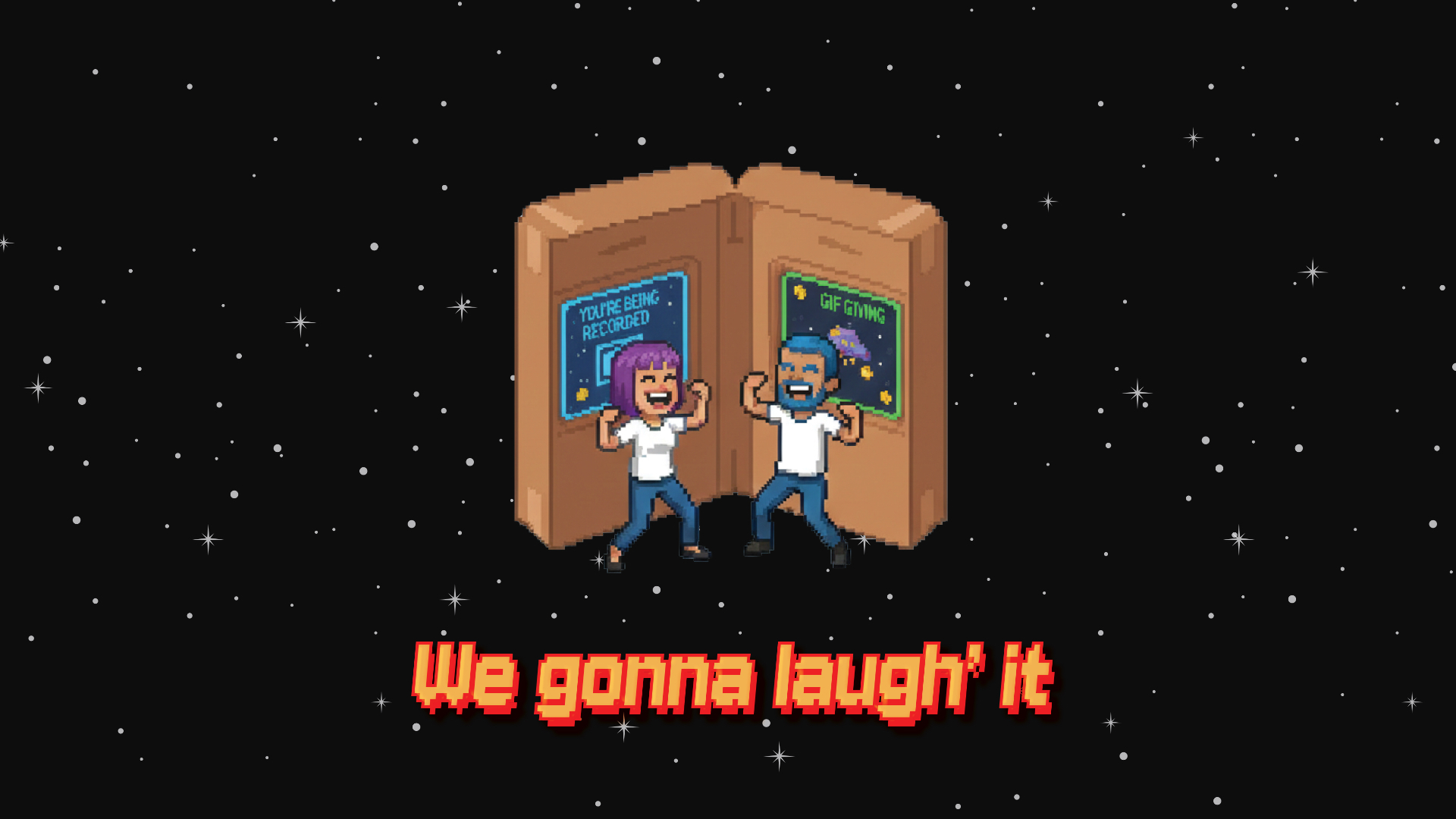
- Client:
- Team:
-
Disciplines:
Game Design, Interaction Design, Experience Design
-
Schoolyear:
2025-2026
"Home" is more than a physical location; it is a feeling of belonging. Community gathering places like cafes, library play important role in creating this sense of belonging, especially for students who just move to new environments. Yet social barriers and shyness often prevent people from turning superficial acquaintances into warmer connections. WiiLaught addresses this disconnection. It uses playfulness to turn cold public areas into warm, communal living rooms where strangers become friends.
Sociologist Ray Oldenburg (1999) defines "third places" as public spots like cafes, libraries, or parks. These places are vital for community life. However, they usually lack a way to connect familiar acquaintances. Our research reveals that laughter is a powerful tool for connection. Shared joy "unlocks" friendships and creates intimacy. We wanted to explore how playfulness fosters a sense of belonging. The goal is to transform a utilitarian space into a place of connection.
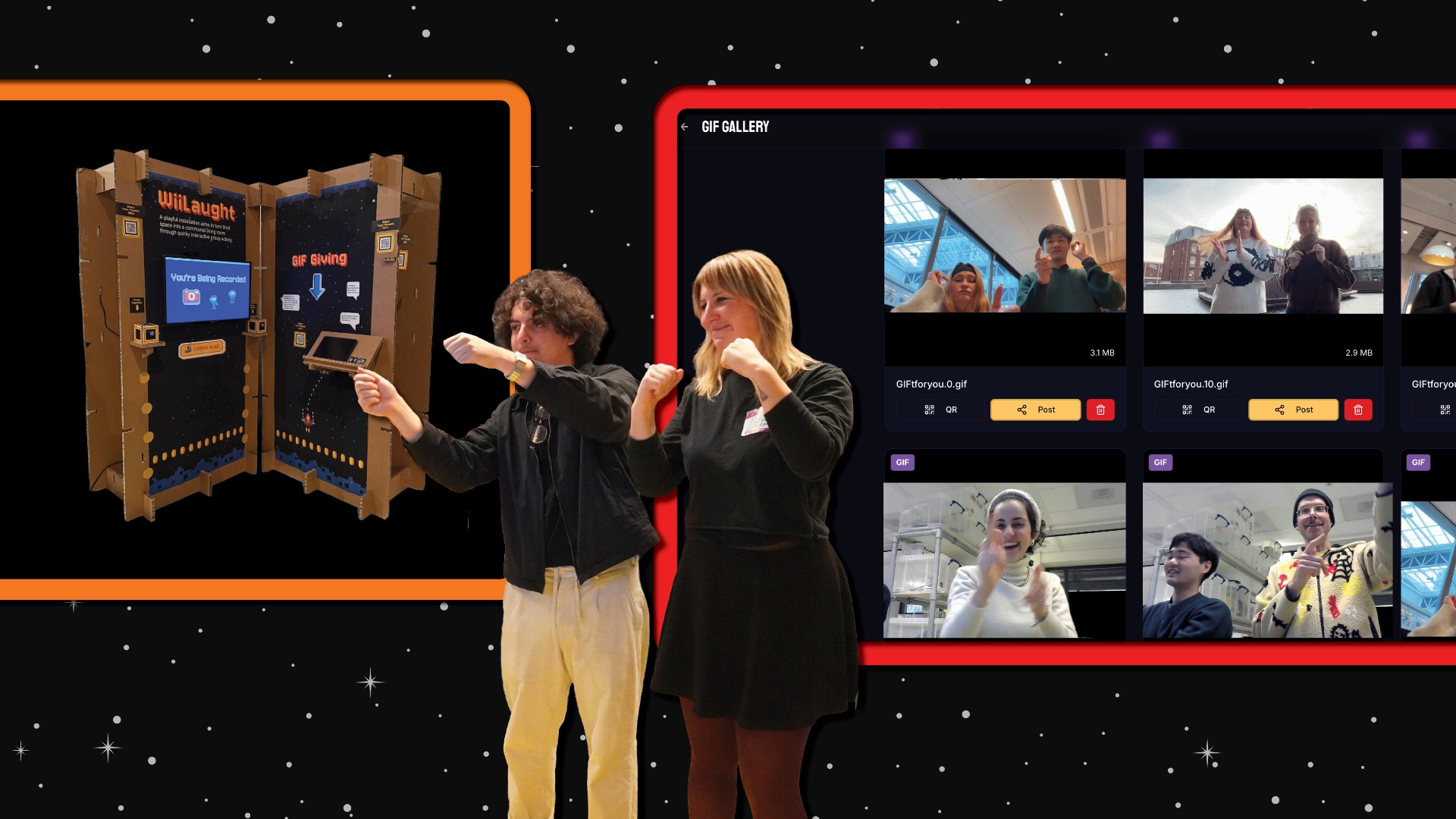
WiiLaught is an interactive multiplayer installation designed for common areas. It invites people to engage in whimsical activities together. The installation consists of a large screen and two physical buttons placed apart. To start the game, two players must press the buttons simultaneously. This physical requirement ensures collaboration from the very start.
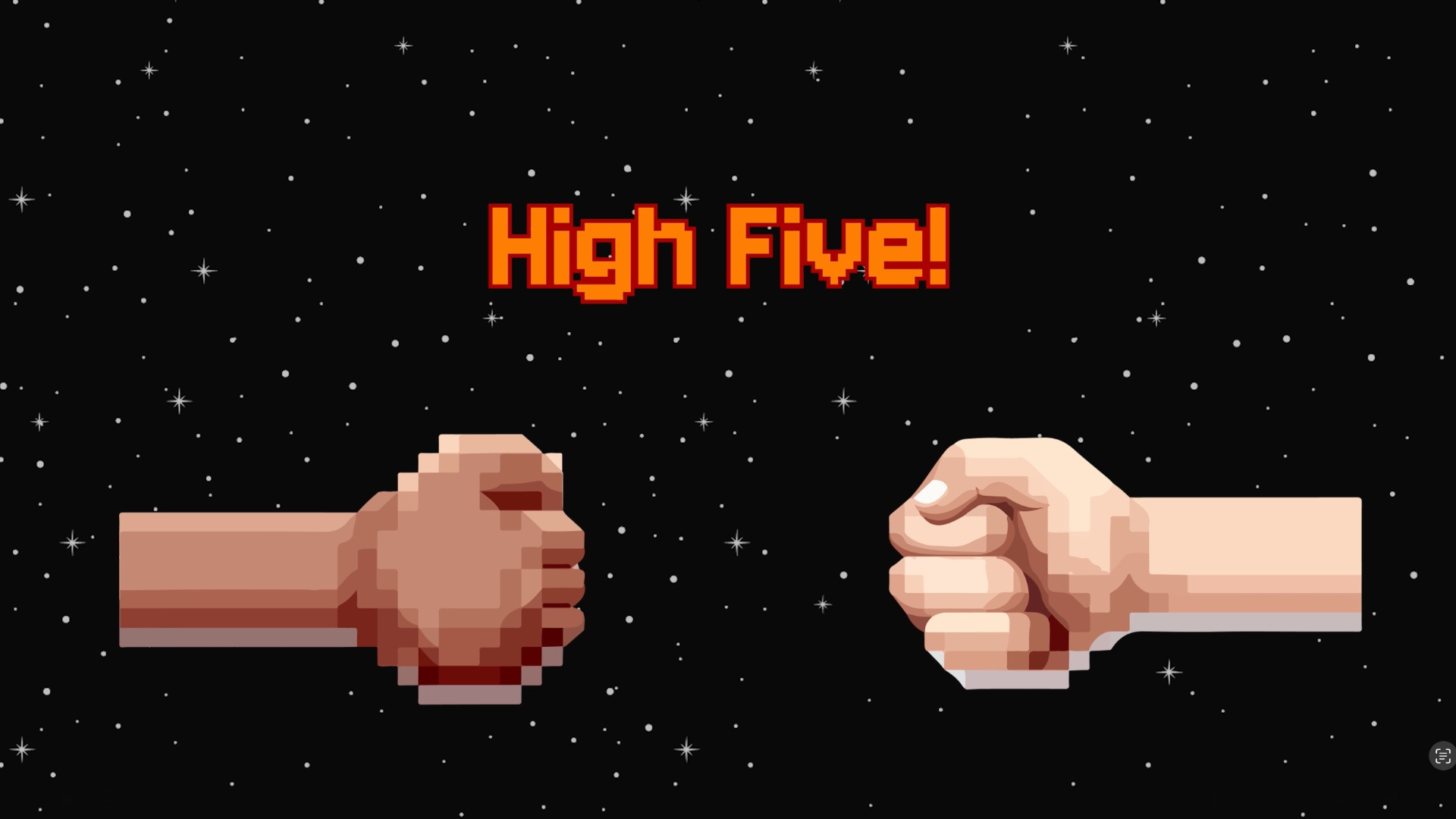
Once the game begins, an interactive video plays. It encourages players to follow instructions on the screen. These include actions like "pulling the rope" or "high-fiving". The gameplay draws inspiration from viral "interactive warm-up" trends on social media. The movements are designed to be silly and fun. This creates genuine laughter between the players.
The system captures these joyful moments. It records a randomized 3-second GIF of the players to preserve the memory. Players can download this GIF to share with friends. We chose the GIF format because of its strong connection to internet humor culture. This feature mimics the fun of a photo booth.
The development process faced specific challenges. We initially envisioned a complex, fully interactive Tetris game. However, technical and time constraints made this difficult. We shifted to a pre-recorded video interaction to ensure feasibility. This functioned as a proof of principle to test the concept.
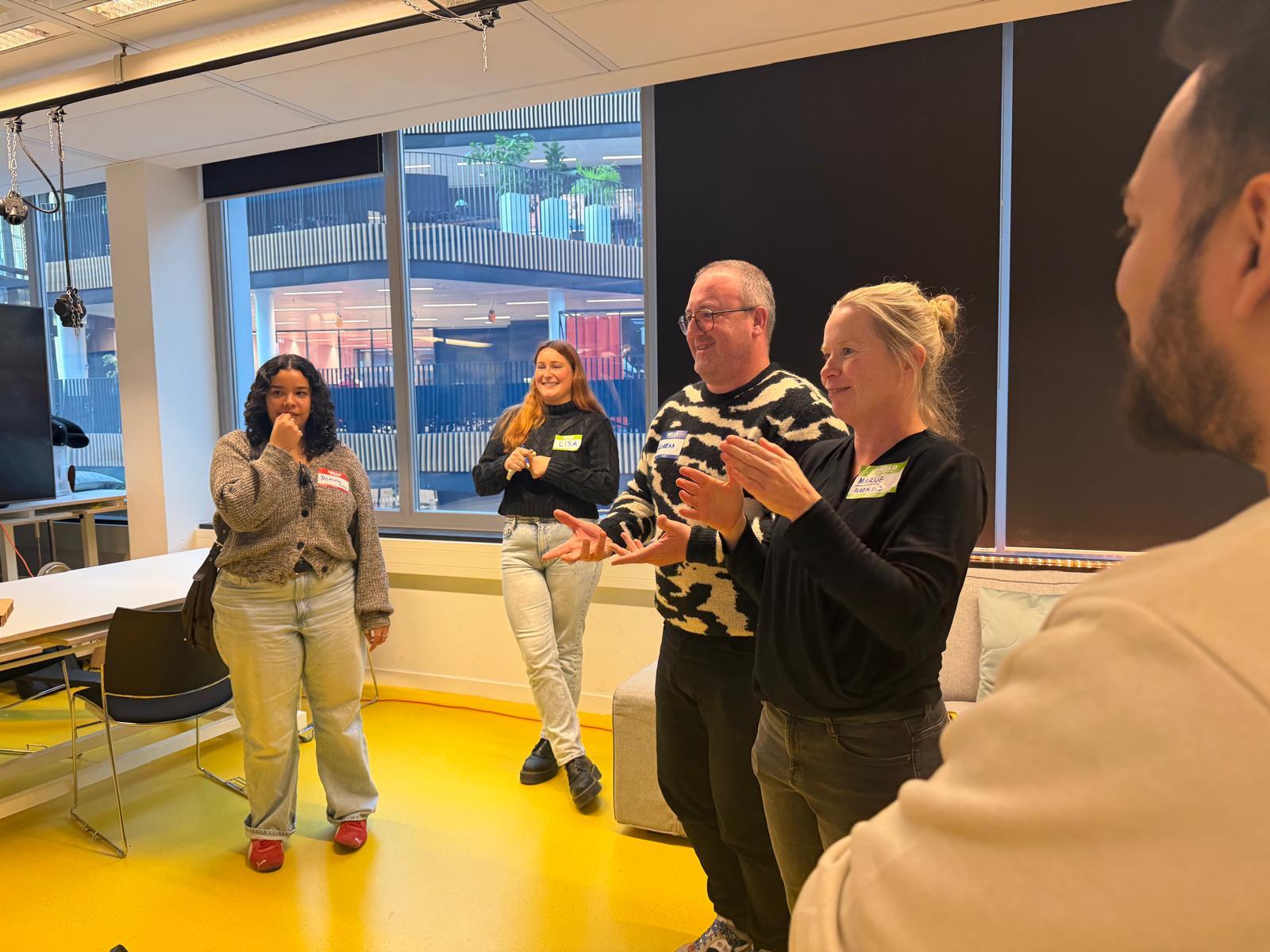
We also encountered privacy concerns during testing. Early users felt uncomfortable being recorded without warning. We fixed this by adding clear "Camera in Use" signage. We also implemented an auto-delete feature for the GIFs to protect user privacy.
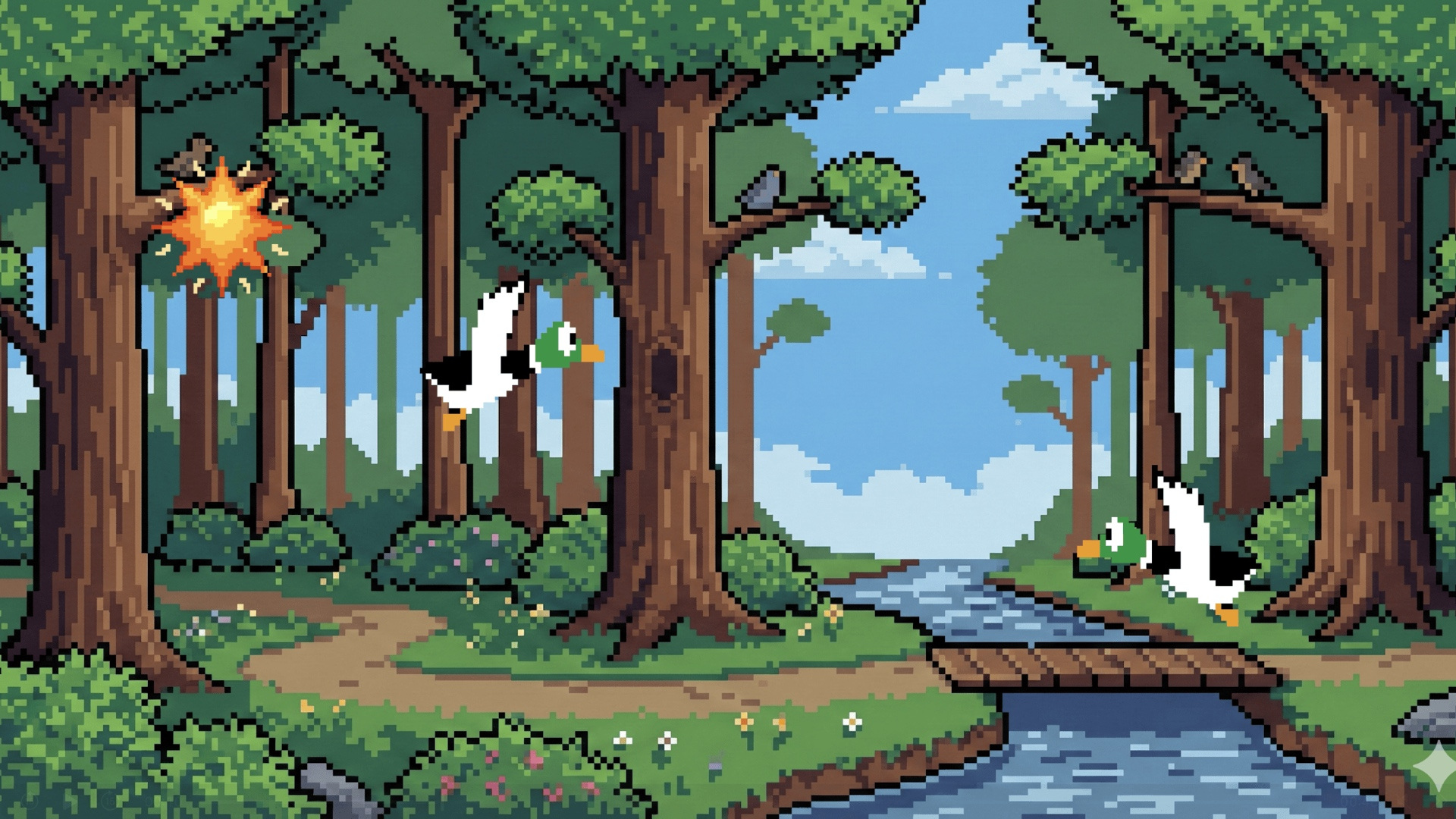
The visual style uses pixel art. This aesthetic evokes nostalgia and fits the playful mood. User testing confirms the design's effectiveness. Participants report feeling closer to their playing partners. The installation successfully acts as an icebreaker. It challenges the social norm of being reserved in public
The current prototype serves as a proof of concept. Future versions will enhance the interactivity. We aim to move beyond video playback to real-time rendering. We look to Nintendo Wii games for inspiration on collaborative mechanics. We also plan to test WiiLaught in various locations beyond student campuses. The ultimate goal remains constant. We want to use play to build stronger communities in every third place.