The dilemma of the dead: the ethics of digital legacy
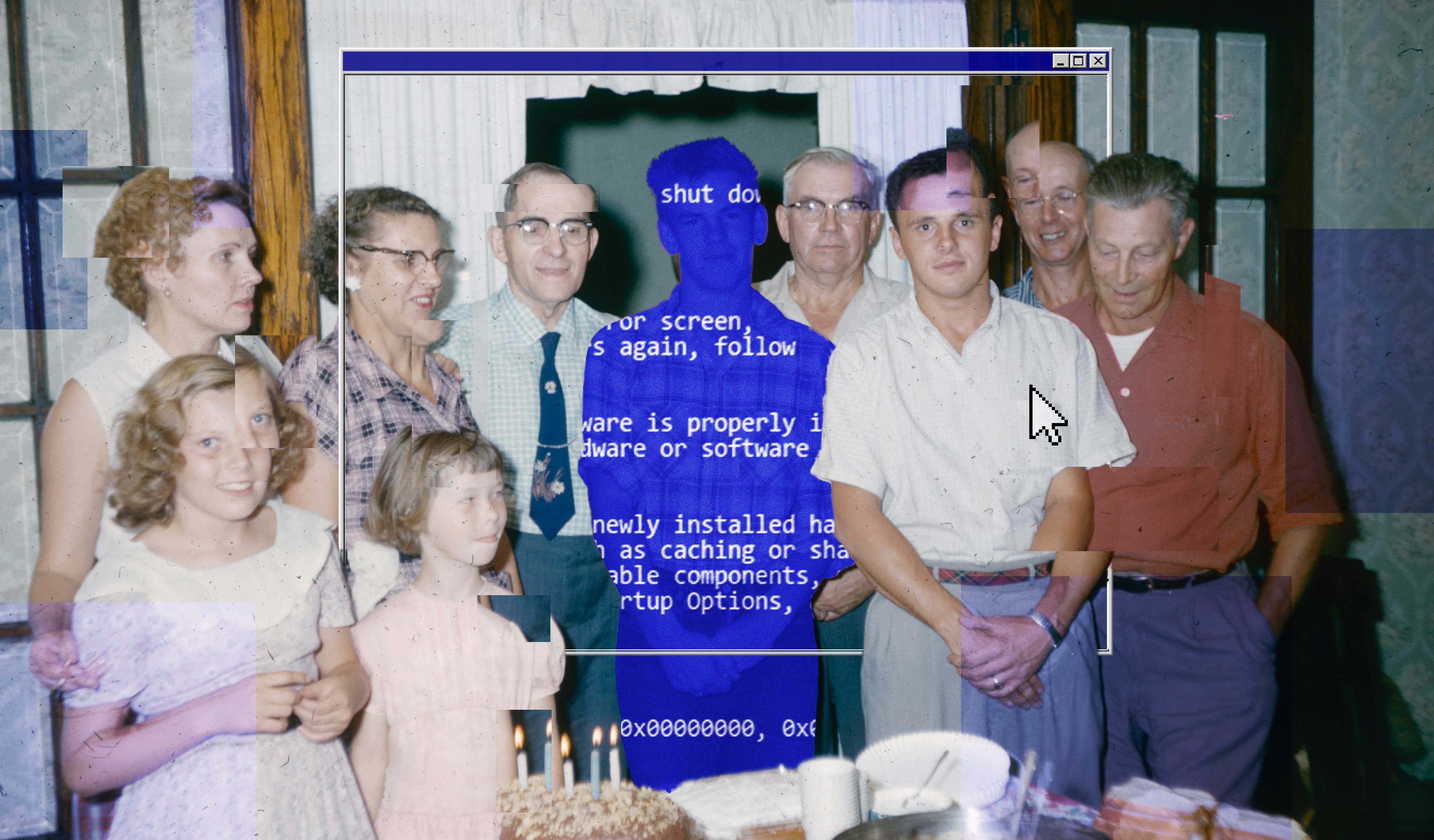
Death is an uncomfortable topic and the organization of inheritances and funerals can be tough for the bereaved. Only 30% of Dutch people prepare something for after their death. The 21st century brought a whole new layer of legacies to think of: our digital legacy. What happens to our data and digital life after we die? Well, you might not have to worry about it once you’re dead but those left behind will have to deal with it. What should they (and you) take into account?
Death is still, in most cultures, a taboo and something not to be talked about. Bert Keizer, a Dutch (retired) geriatric physician, writer, and philosopher, once had to tell an Indonesian woman she should go to a nursery home to pass away peacefully and was slapped by her brother for being crass. Or, for example, in some religions, they believe only God can tell you when you are going to die - not doctors.
In the 1950’s, people in The Netherlands were often Protestant or Catholic. This gave them a common reference frame for death and the narrative brought them comfort. In modern times, there are so many beliefs that we have no common narrative to share anymore. It provides us with fewer tools to grief. So, it has become more and more important for us to share what our personal wishes are after death.
Planning our digital legacy
Let’s start with the fact that a lot of people still don’t even know what digital legacy is; let alone how to prepare anything for their bereaved to deal with once they’re gone.
Whose responsibility is it to decide on our digital legacy?
The general millennial has over 160 online accounts, from social media to bank accounts and webshops. Hans de Zwart, ethics professor at the Amsterdam University of Applied Sciences, focuses on ethics and philosophy of technology. He argues that people have a responsibility to prepare some kind of plan for after their death. While he understands that, for example, a terminally ill mother doesn’t want to focus her last days on this heavy matter, it still bears the question whether your loved ones should be the ones taking on this duty?
Your identity in data
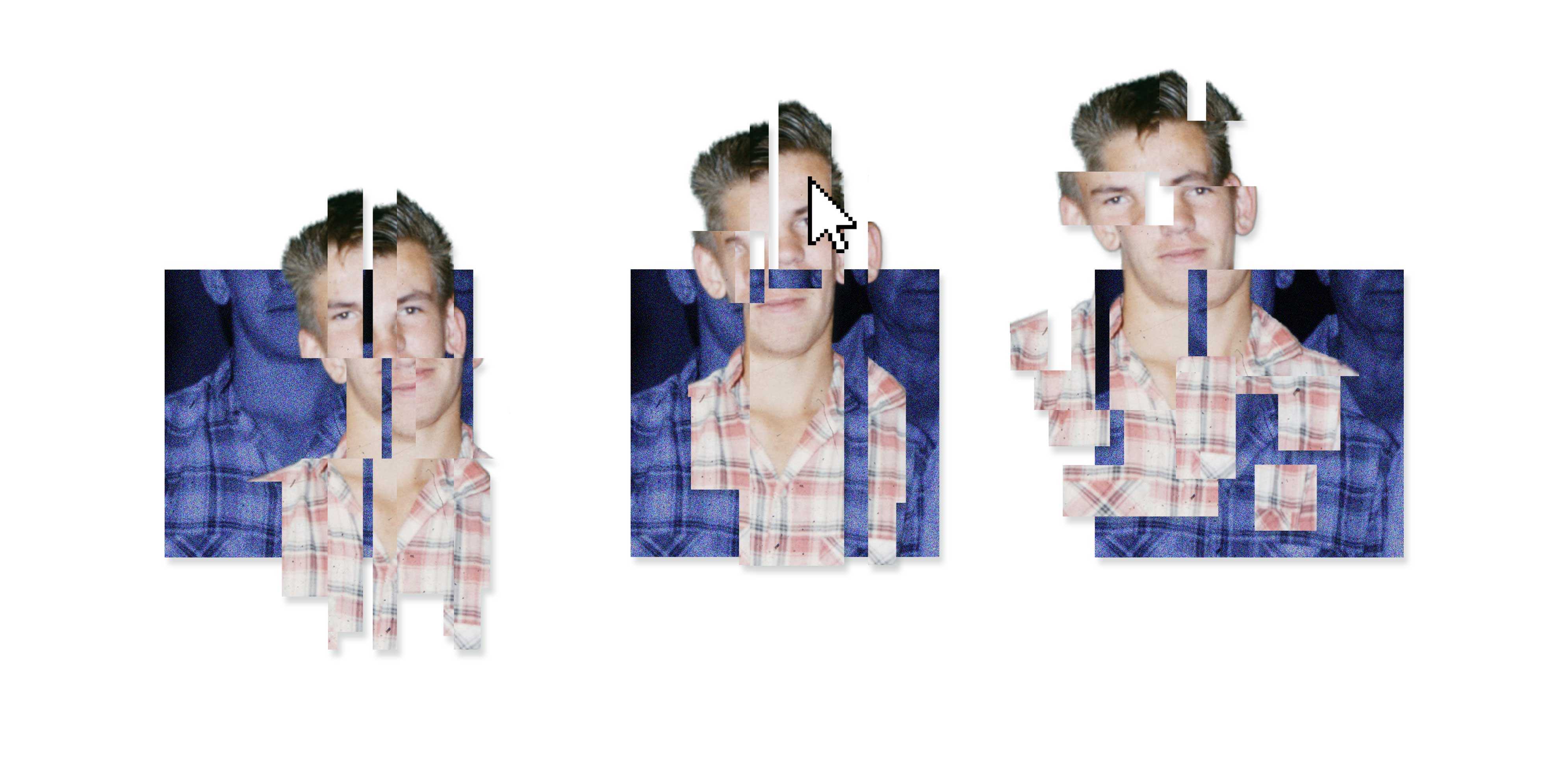
In our daily lives, we have different social circles. We don’t behave the same way with our family as with our friends. But in 2004, Facebook brought these worlds together into one place. It forced us to have one consistent identity that talked to all of these different connections at the same time.
What happens in our death with our multiple identities? This is described as context collapse - if a certain image of us is presented outside the target audience there can be a great disconnect. Your mother starts to question if they knew you in the first place when they are looking through your Grindr account. We need to accept that we are not just one person and we have meaningful different relationships with others. Try to think of what data you want to leave for which specific relation.
‘Your’ data
What is your data? The data on your phone? Your whatsapp private messages? Your emails? Yeah, your notes app is probably yours but a lot of data is shared. You probably have a lot of pictures of you and your best friend and they likewise of you and them. If your best friend passes, do you have the right to access their pictures of you (together)? And what are you allowed to do with the pictures you have of them? What information do you own? The one you created? The one you are in? Or both?
Privacy of the dead
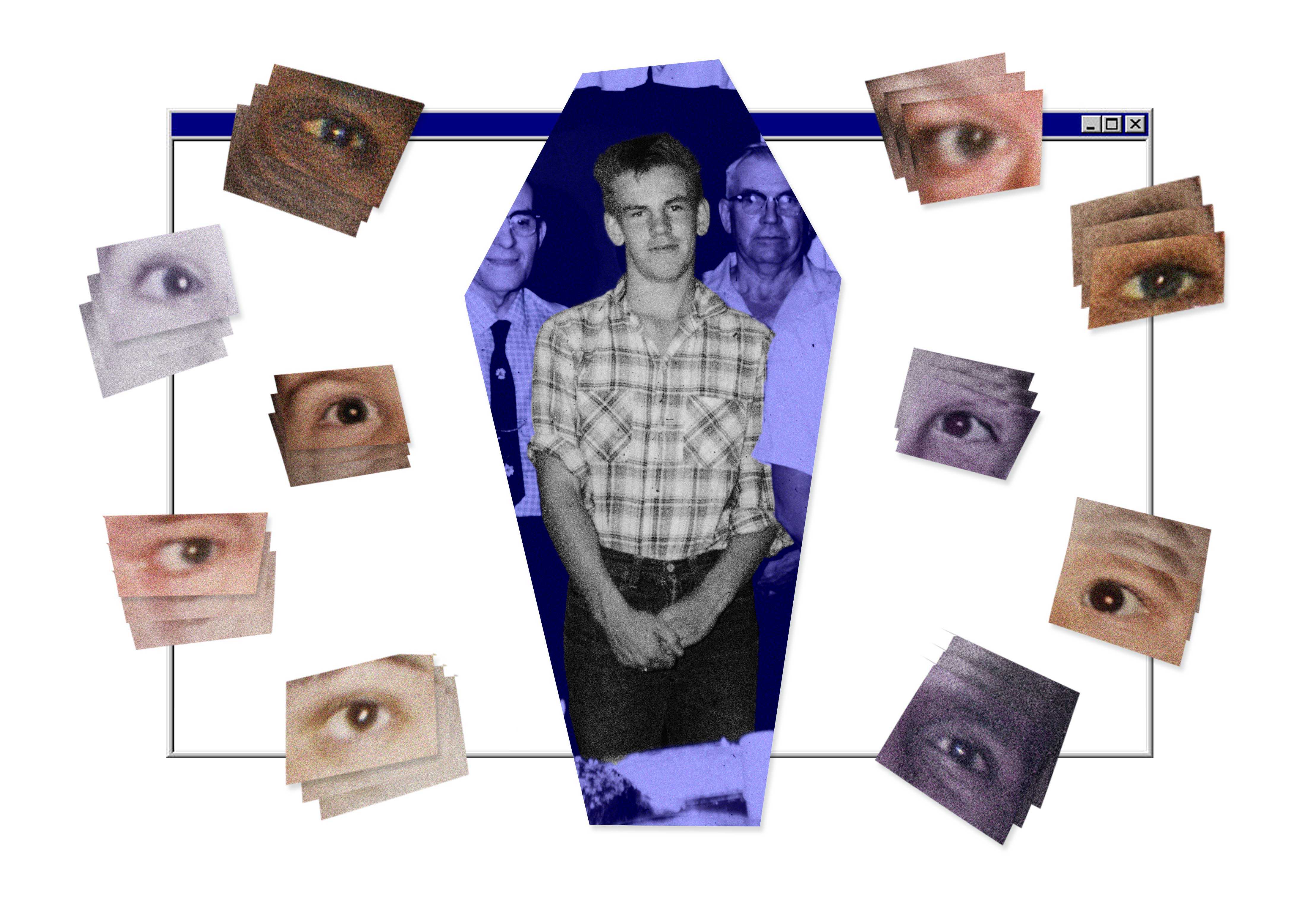
Under the law, we have no privacy after death. But people still feel icky snooping through their deceased’s private diaries. Yet, we have no issue with letters of the 16th century where love is declared in secret. Where is the line between historical value and privacy of the dead?
There are intimacy levels when sharing data: the silly pictures you send to your friend are different from your curated Instagram or Linkedin. There is a big difference between spontaneous content (eg.: DMs) and predetermined content online (eg.: your feeds). Should your bereaved share your personal notes if they think it has historical value?
Last thoughts
Most of us are afraid of being a burden and this applies to our legacies. We don’t want to bother people with uncomfortable conversations but we also don’t want to give our bereaved responsibility when we die. So we have to find a compromise in some way.
There are increasingly different ways to grief and we share more and more of our identities online. Data can stick online longer than desired or private information can disappear before the bereaved finds a chance to save it.
Do you want to protect yourself from unwanted exposure after your death or do you want to keep a specific image of yourself saved online forever? You probably should discuss your digital legacy with someone you can trust with your passwords.
So, in thinking of your digital legacy, consider not only your wishes but also the needs of your loved ones once you’re gone. While, for example, you believe deleting all your online presence is a positive thing, they may, in fact, get comfort out of visiting your profiles once in a while.