Digital Wear and Tear
Giving Digital Garments a Life Beyond Perfection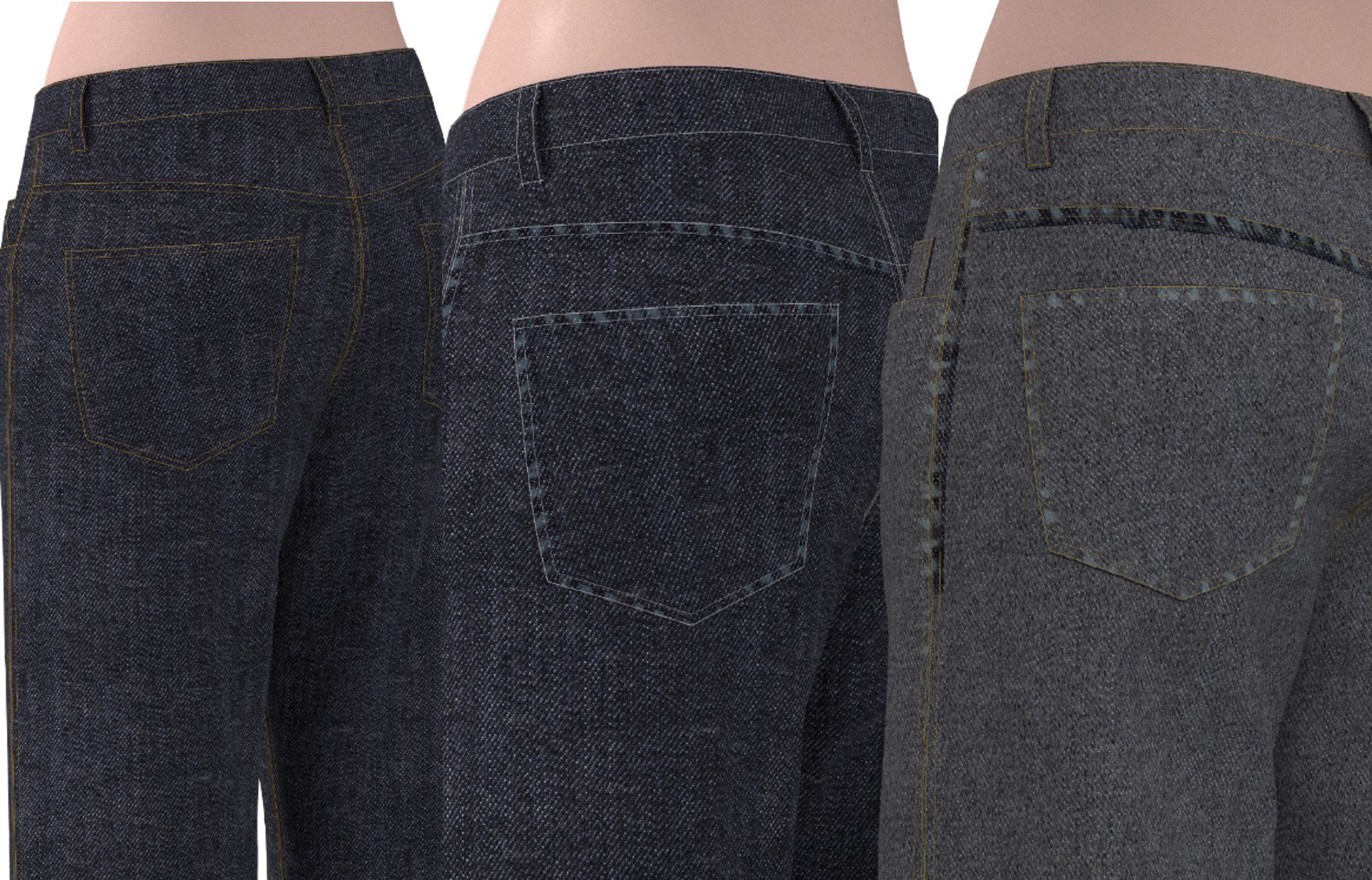
- Client:
- Team:
- Disciplines:
-
Schoolyear:
2025-2026
Physical clothes change over time and collect memories through wear and use. Digital garments, however, usually stay perfect and unchanged. This project explores what happens when digital garments can also age. It proposes a new way of thinking about digital fashion by introducing wear and tear, transformation and change through digital interaction.
Physical clothes change over time. They fade, tear and collect marks from use. These changes often create memories and personal value. Digital clothing does not work in the same way, it usually stays perfect and unchanged unless someone edits it. This creates a gap between physical and digital fashion. My project explores this missing aspect, I ask what happens when digital garments can also age and change. I see wear and tear as a design opportunity rather than a form of damage.
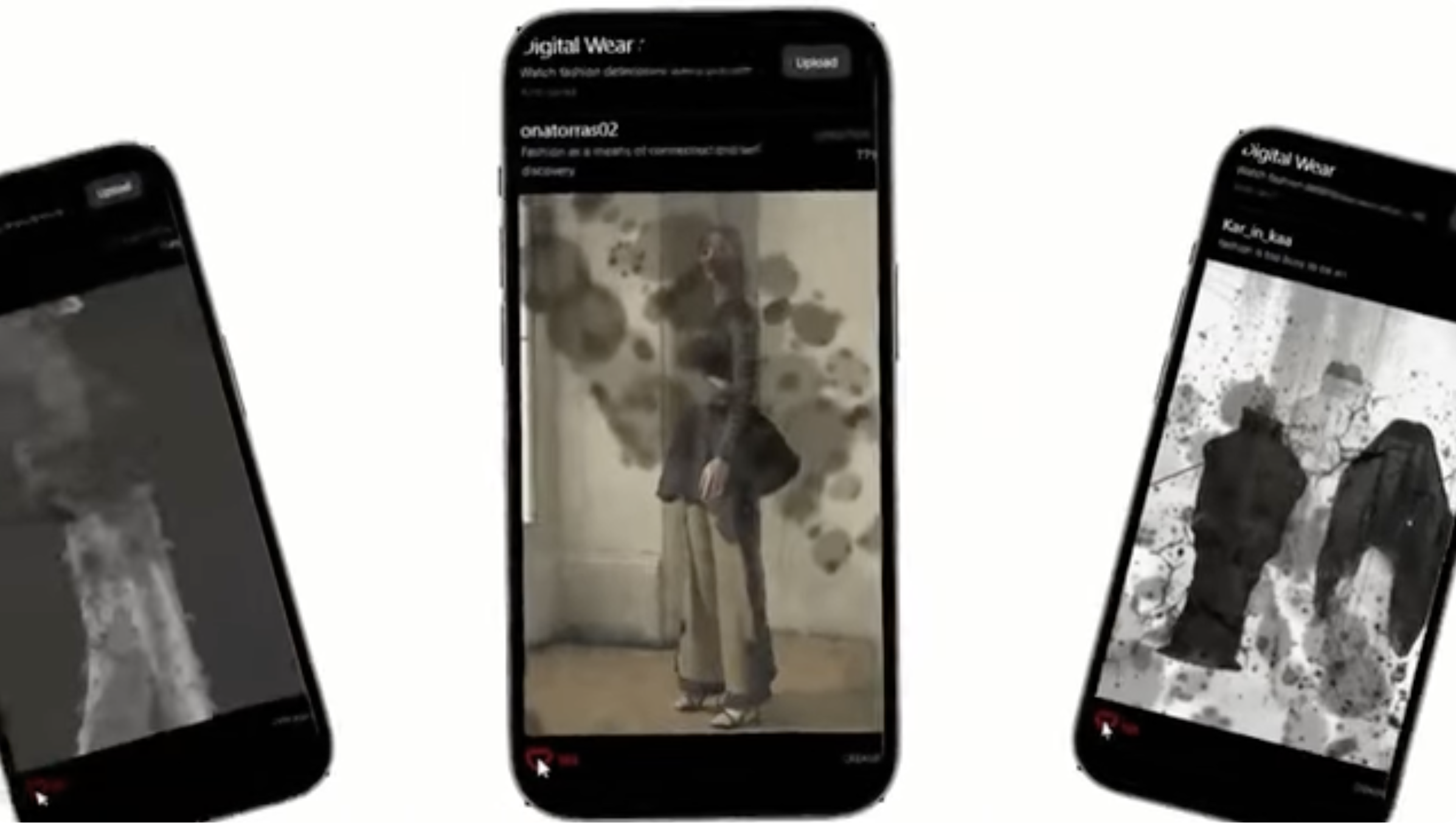
My final design is an interactive prototype where digital garments age through online interaction. The idea started with a simple question: how are digital garments actually used? Physical clothes age because people wear, wash and move in them. Digital garments are used differently. People look at them, like them, share them and scroll past them.
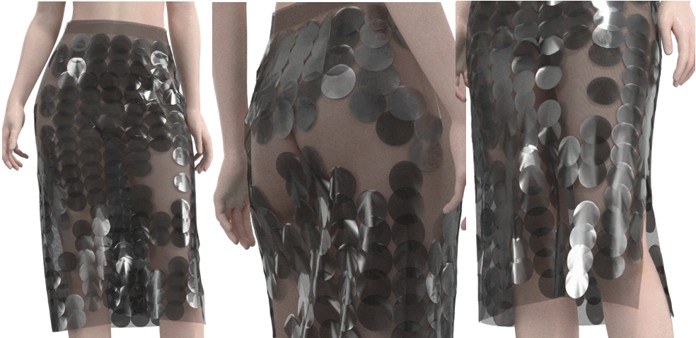
The project did not start with this final idea. I first tried to recreate physical wear in digital clothing. I made a worn leather jacket and aged denim garments and I also explored damaged sequins and embroidery. These experiments showed me that realistic wear and tear comes from many small details, small marks and imperfections make a garment feel believable.
I discovered several difficulties: Digital fashion software is designed to create perfect garments. Making clean and polished clothing was easy. Creating realistic damage was much harder, I had to add many details by hand and test different methods again and again. This process took a lot of time.
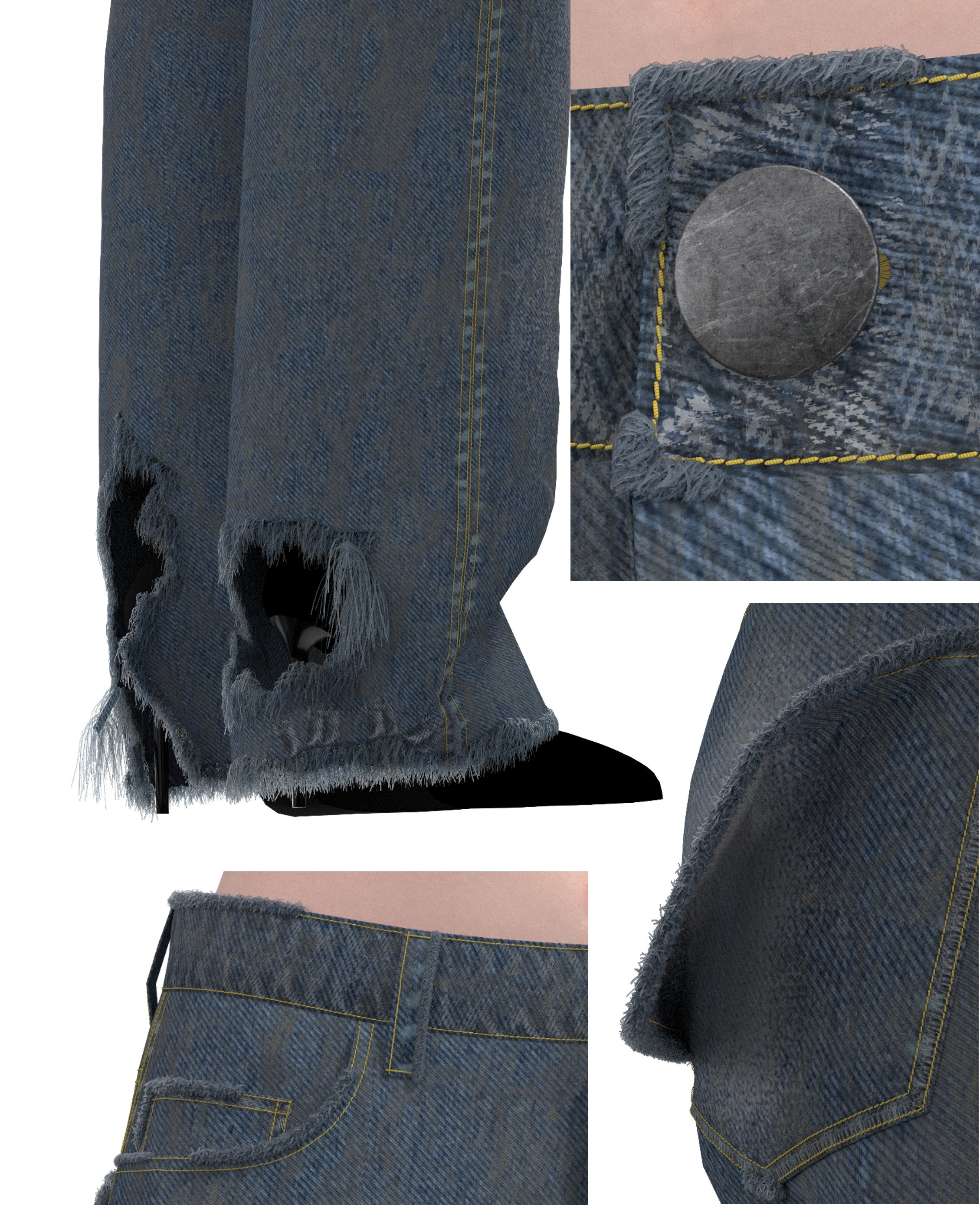
These difficulties changed the direction of the project. I started to ask a new question: If digital garments do not exist physically, should digital wear and tear always copy physical damage?
This question led to new experiments. I explored pixelation, image corruption and disappearing garments. These forms of wear and tear only exist in digital environments, but they still feel like ageing.
These experiments eventually led to my final design. The prototype works like a social media platform. A user uploads an image of a digital garment, the design changes as more people interact with it. At first, only small signs of wear appear, the garment develops creases, stains and tiny imperfections. More interaction creates more visible damage. The garment slowly fades, tears and eventually starts to disappear.
I designed this because I wanted digital garments to have a life after they are created. Most digital garments stay fixed and perfect forever. They do not change or show signs of use over time. This idea challenges the assumption that digital garments should stay perfect forever. It suggests that digital garments can also wear and tear, age and gain meaning over time. The final prototype creates a digital version of wearing. Instead of movement and friction, interaction becomes the force that changes the garment. Likes and visibility become the digital equivalent of wearing. The design shows that digital garments do not need to stay perfect forever. They can also wear and tear, change, age and even disappear.
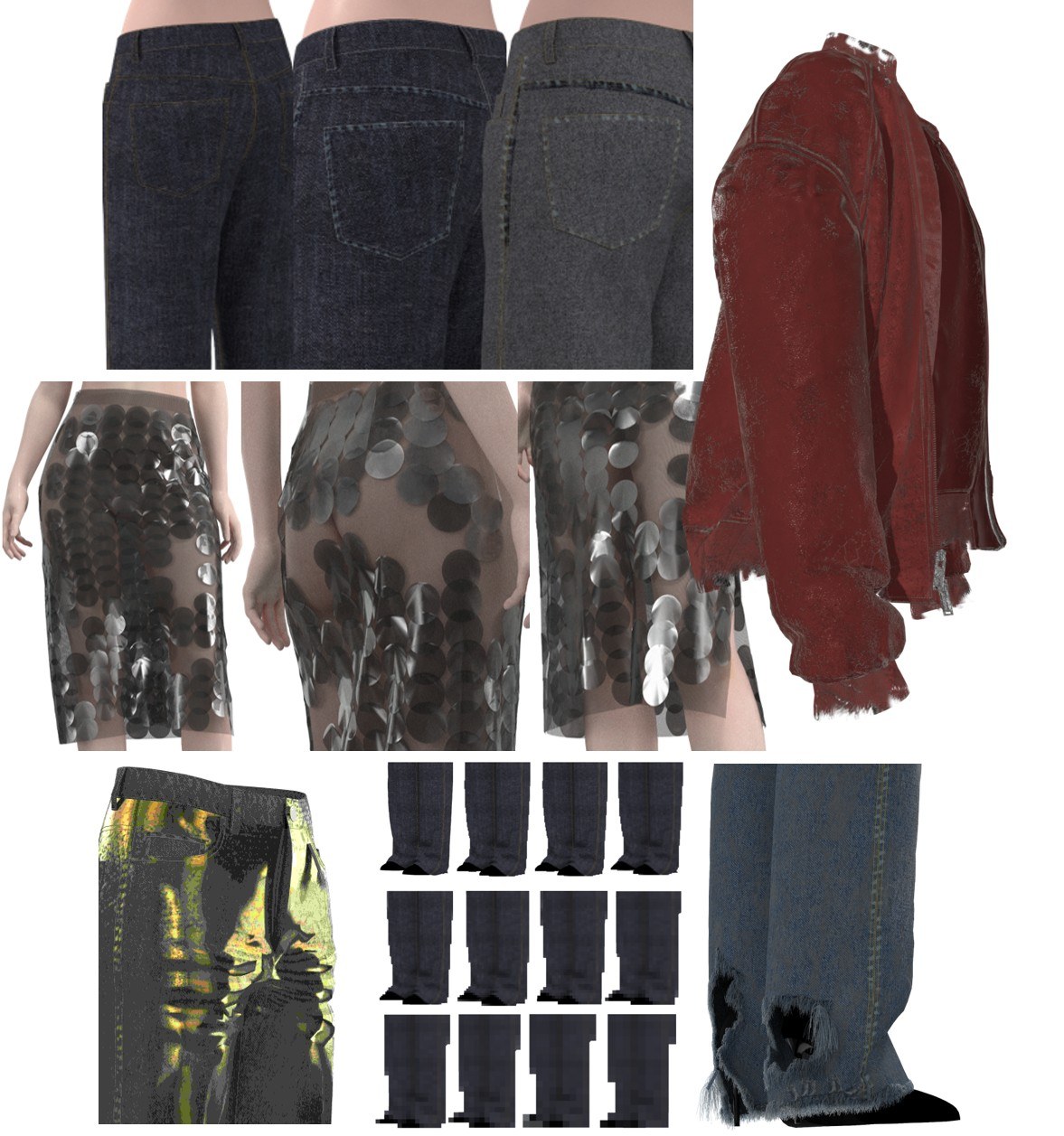
I expect this project to encourage new ways of thinking about digital fashion. The prototype is still a concept and not a finished application. Future work could turn it into a working platform and test it with a larger group of users. The idea could also be added to existing social media platforms or digital fashion software. Different types of interaction could create different forms of wear. I hope this project shows that digital garments can become changing objects that gain meaning over time.